Fort Worth's Time Zone Explained: Central Standard and Daylight
Navigating time zones can often feel like deciphering a secret code, especially when you're planning a trip to a vibrant city like Fort Worth, Texas, or coordinating with colleagues across the globe. You’re likely wondering about Fort Worth’s time zone, and how it switches between Central Standard Time (CST) and Central Daylight Time (CDT). This comprehensive guide is designed to demystify Fort Worth's time zone, explaining the nuances of CST and CDT, the rhythm of Daylight Saving Time, and practical strategies to ensure you're always on schedule.
We’ll cut through the jargon to give you a clear, actionable understanding of how time works in the Cowtown, whether you're traveling, doing business, or simply curious.
At a Glance: Fort Worth's Time Zone Essentials
- Primary Time Zone: Central Time Zone (CT).
- Standard Time (Fall/Winter): Central Standard Time (CST), which is UTC-6 hours.
- Daylight Saving Time (Spring/Summer): Central Daylight Time (CDT), which is UTC-5 hours.
- Daylight Saving Time Begins: Second Sunday in March (clocks "spring forward" one hour).
- Daylight Saving Time Ends: First Sunday in November (clocks "fall back" one hour).
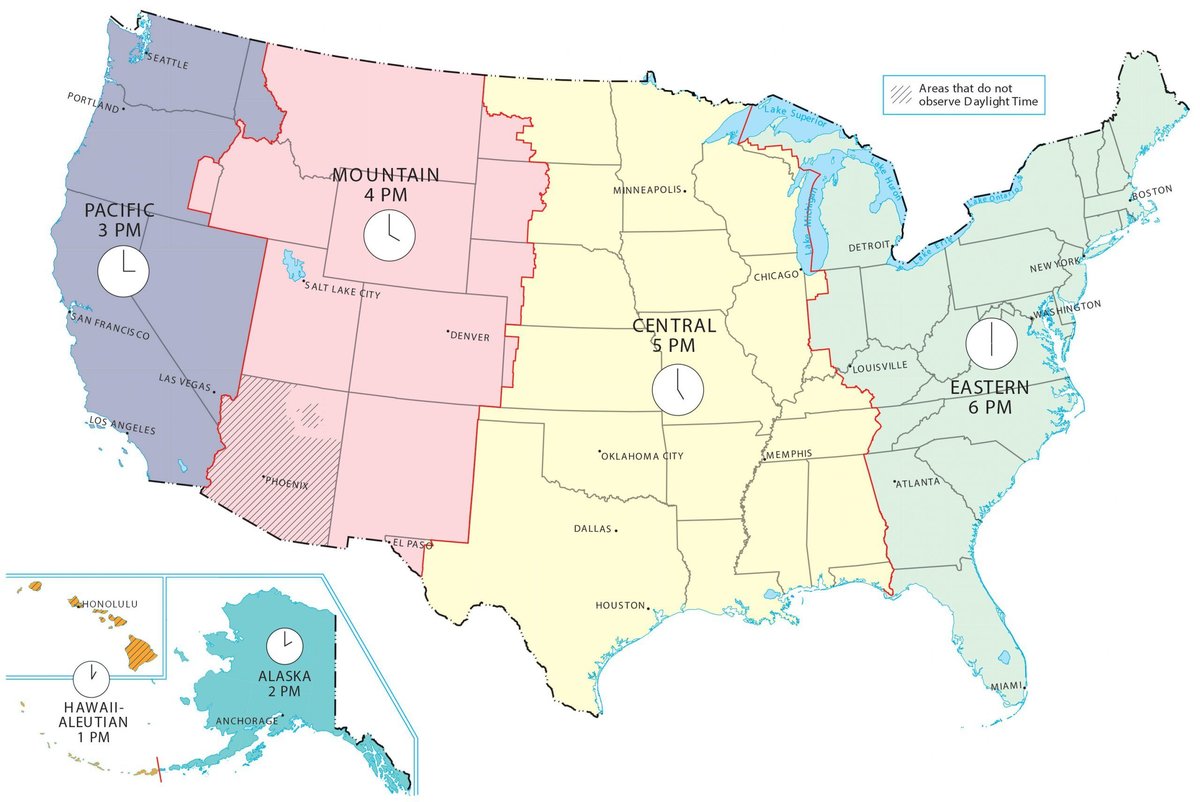
- Texas Exceptions: While most of Texas, including Fort Worth, observes Central Time, El Paso and Hudspeth County operate on Mountain Time (MT).
- Key Takeaway: Always confirm if a time is CST or CDT, especially when coordinating across zones.
The Heart of Texas Time: Central Standard (CST) and Central Daylight (CDT) Explained
Fort Worth proudly sits within the Central Time Zone (CT), a broad swath of land that stretches across parts of 20 U.S. states, from the Great Lakes to the Gulf of Mexico. Within this zone, time isn't static; it shifts with the seasons, adopting either Central Standard Time (CST) or Central Daylight Time (CDT).
Central Standard Time (CST): The Winter Clock
During the cooler months, from early November to early March, Fort Worth observes Central Standard Time (CST). This is the "base" time for the region, aligning with a Coordinated Universal Time (UTC) offset of UTC-6 hours. What does UTC-6 mean in practice? It means that if it's 12:00 PM UTC, it's 6:00 AM in Fort Worth. Think of it as the default setting, the time we "fall back" to when Daylight Saving Time concludes.
Central Daylight Time (CDT): The Summer Stretch
As spring arrives and the days lengthen, Fort Worth transitions to Central Daylight Time (CDT). This is when the city, along with many others, "springs forward" an hour, moving its UTC offset to UTC-5 hours. So, when it's 12:00 PM UTC, it’s 7:00 AM in Fort Worth. This shift is designed to make the most of natural daylight, pushing an hour of morning light into the evening. Understanding how Daylight Saving Time works is key to grasping this shift.
Spring Forward, Fall Back: Fort Worth's Dance with Daylight Saving Time
Daylight Saving Time (DST) is a biennial ritual that affects millions, including everyone in Fort Worth. It's the mechanism that determines whether the city is running on CST or CDT. While often a point of debate, its purpose is generally understood to be about conserving energy and extending daylight into the evening.
When Does Fort Worth Observe DST?
Fort Worth, like the majority of the United States, adheres to a predictable schedule for DST:
- Beginning of DST: On the second Sunday in March, clocks "spring forward" one hour at 2:00 AM local time. This means 2:00 AM instantly becomes 3:00 AM, ushering in Central Daylight Time (CDT).
- End of DST: On the first Sunday in November, clocks "fall back" one hour at 2:00 AM local time. Here, 2:00 AM reverts to 1:00 AM, bringing back Central Standard Time (CST).
For example, in 2026, Fort Worth will switch to CDT on March 8th, and return to CST on November 1st, both changes occurring at 2:00 AM local time. This consistent schedule helps standardize planning, though it can still catch people off guard if they're not paying attention.
A Brief History of Time Zones and DST in Texas
The concept of standardized time zones in the U.S. first emerged in 1883, championed by American railroads to harmonize train schedules and facilitate commerce. This system was later formalized by the Standard Time Act of 1918. Texas, due to its geographical location, was largely assigned to the Central Time Zone during this period.
Daylight Saving Time itself has an even older history, first proposed in the early 20th century. It was introduced in the U.S. during World War I to conserve energy. Texas, aligning with national standards, officially adopted DST in 1966. While proposals to make DST permanent or eliminate it entirely surface regularly, the current system remains in place, continuing this historical practice. If you're interested in the broader context, exploring the historical context of time zones can provide deeper insights.
A Tale of Two Times: Texas's Unique Time Zone Landscape
Texas is a big state, and while most of it operates on Central Time, it actually spans two distinct time zones. This is a crucial detail for anyone coordinating activities across the Lone Star State.
Most of Texas: Central Time (CT)
The vast majority of Texas, encompassing major metropolitan areas like Fort Worth, Dallas, Houston, and Austin, adheres to the Central Time Zone. This means that for most residents and visitors, the information regarding CST and CDT applies consistently. When you're traveling within this central portion of Texas, you won't need to adjust your clock.
The Exception: Mountain Time in West Texas
Venture far west in Texas, and you'll encounter a shift. El Paso and Hudspeth County operate on Mountain Time (MT). This means that these areas are consistently one hour behind Fort Worth, Dallas, and the rest of Central Texas. For instance, if it's 3:00 PM in Fort Worth, it will be 2:00 PM in El Paso. This distinction is vital for Texas' diverse regions and culture and planning, ensuring you don't miss a meeting or flight if your journey takes you to the far western reaches of the state.
Fort Worth on the Global Clock: Comparisons That Matter
Understanding Fort Worth's time in isolation is one thing, but knowing how it stacks up against other major cities, both nationally and internationally, is where the real utility lies. These comparisons are especially helpful for business travelers, remote workers, or anyone with connections beyond Texas.
Let's look at how Fort Worth's time (using its standard time, CST, for baseline comparisons unless specified) compares to a few key locations:
- New York City, NY (Eastern Time, ET): New York observes Eastern Standard Time (EST) at UTC-5. During CST, Fort Worth is 1 hour behind New York. So, if it’s 10:00 AM in Fort Worth, it’s 11:00 AM in New York.
- Chicago, IL (Central Time, CT): Chicago is also in the Central Time Zone. This means Chicago operates on the same time as Fort Worth, observing CST and CDT simultaneously.
- Denver, CO (Mountain Time, MT): Denver observes Mountain Standard Time (MST) at UTC-7. During CST, Fort Worth is 1 hour ahead of Denver. So, if it’s 10:00 AM in Fort Worth, it’s 9:00 AM in Denver.
- Los Angeles, CA (Pacific Time, PT): Los Angeles observes Pacific Standard Time (PST) at UTC-8. During CST, Fort Worth is 2 hours ahead of Los Angeles. If it’s 10:00 AM in Fort Worth, it’s 8:00 AM in Los Angeles.
- London, UK (Greenwich Mean Time/British Summer Time): London observes GMT (UTC+0) during standard time and BST (UTC+1) during summer. This makes London typically +6 hours ahead of Fort Worth during CST and +5 hours ahead during CDT. For example, if it's 10:00 AM CST in Fort Worth, it's 4:00 PM GMT in London.
These comparisons highlight the importance of factoring in time differences when communicating or traveling. A quick check can save you from missed calls or confusion.
Why Understanding Fort Worth's Time is Crucial (and How It Impacts You)
Knowing the precise time in Fort Worth, including whether it's CST or CDT, isn't just about trivia; it's fundamental for smooth operations in various aspects of life and business.
For Travel Planning
Whether you're flying into DFW, catching an Amtrak train, or driving across state lines, time zones impact your journey. Flight departure and arrival times, bus schedules, and even hotel check-in windows are all tied to local time. Miscalculating a time zone difference could mean missing a connection or arriving at your destination at an unexpected hour. When planning your trip to Fort Worth, always double-check the time zone details for all legs of your journey.
For Business Operations and Scheduling
For businesses with offices or clients in Fort Worth, understanding the Central Time Zone is paramount. Scheduling meetings, setting deadlines, and coordinating team activities across different time zones requires precision. A 9 AM meeting in Fort Worth could be 7 AM in Los Angeles or 3 PM in London. Clear communication about time zones prevents misunderstandings and ensures everyone is on the same page.
For Remote Workers and Distributed Teams
The rise of remote work means many individuals are collaborating with colleagues hundreds or thousands of miles away. If you're a remote worker in Fort Worth, or working with a team based there, clear time zone communication is your best friend. Without it, you risk missed virtual meetings, delayed project handoffs, and general frustration. For the most up-to-date local time information, you can always check the current time in Fort Worth.
For Event Timings and Communication
Promoting an event in Fort Worth? Make sure your flyers, social media posts, and invitations explicitly state the time zone (e.g., "7 PM CDT" or "7 PM CST"). This small detail prevents confusion for both local attendees and those joining virtually from elsewhere. Clear time zone labeling is a hallmark of professional communication.
Mastering Time Management in Fort Worth: Actionable Strategies
Given the intricacies of time zones and Daylight Saving Time, having a few reliable strategies can save you a lot of hassle. Here’s how you can confidently navigate Fort Worth’s time zone, no matter your purpose.
1. Always Specify the Time Zone
This is the golden rule. When scheduling meetings, calls, or events, never assume. Always specify the time zone. Instead of "Meeting at 3 PM," say "Meeting at 3 PM CST" or "3 PM CT (Fort Worth time)." This eliminates ambiguity, especially around the DST transitions.
2. Utilize Digital Calendars and Smartphone Apps
Most modern digital calendars (Google Calendar, Outlook Calendar, Apple Calendar) and smartphone apps have built-in time zone features. Configure your calendar to automatically adjust for different time zones or display multiple time zones simultaneously. This is invaluable for preventing scheduling conflicts. When you add an event and specify a time zone, it will display correctly for anyone viewing it from their own local time zone.
3. Leverage Time Zone Converter Tools
When dealing with multiple time zones, especially international ones, don't rely on mental math. There are many excellent online time zone converter tools and apps available. These tools allow you to input a time in one city and see what time it will be in several other specified cities instantly, often accounting for DST automatically.
4. Remote Work Best Practices
If you're part of a distributed team, consider these additional tips:
- Display Multiple Clocks: Keep world clocks visible on your desktop or phone showing the time in key colleague locations.
- Establish Core Overlap Hours: Work with your team to identify a few hours each day when everyone can realistically be online for synchronous communication.
- Communicate Clearly: If you send an email with a deadline, specify the time zone. "Deadline is Friday, 5 PM CST."
- Adjust for DST: Be extra vigilant around the "spring forward" and "fall back" dates, as these are common times for errors. Double-check meeting invites that span these transitions.
5. Be Mindful of International Differences
As seen with the London example, international time differences can be significant. Always calculate these carefully, remembering that other countries might have different DST schedules or not observe it at all. A simple online converter is your best friend here.
Common Questions About Fort Worth's Time Zone
Even with the explanations, a few common questions often arise. Here are quick answers to some frequently asked queries.
Q: Is Fort Worth always on Central Standard Time (CST)?
A: No. Fort Worth observes Central Standard Time (CST) during the fall and winter months (roughly November to March) and Central Daylight Time (CDT) during the spring and summer (roughly March to November) due to Daylight Saving Time.
Q: Why does Fort Worth observe Daylight Saving Time?
A: Fort Worth observes Daylight Saving Time (DST) as part of Texas's adherence to national standards, primarily to make better use of daylight by "extending" evening light and historically to conserve energy.
Q: How do I know if it's CST or CDT in Fort Worth right now?
A: Check the current date. If it's between the second Sunday in March and the first Sunday in November, it's CDT. Otherwise, it's CST. Digital clocks and phones usually adjust automatically.
Q: What is the UTC offset for Fort Worth?
A: The UTC offset for Fort Worth is UTC-6 during Central Standard Time (CST) and UTC-5 during Central Daylight Time (CDT).
Q: Does Texas have more than one time zone?
A: Yes, most of Texas is in the Central Time Zone, but El Paso and Hudspeth County in far West Texas are in the Mountain Time Zone, making them one hour behind Fort Worth.
Q: How do I calculate the time difference between Fort Worth and another city?
A: The easiest way is to use an online time zone converter tool. Alternatively, you can find the UTC offset for both cities, then compare them. Remember to account for Daylight Saving Time in both locations if applicable.
Your Next Steps for Seamless Time Coordination
Understanding Fort Worth's time zone is about more than just knowing an abbreviation; it's about empowerment. It means you can plan travel without last-minute panic, coordinate business operations efficiently, and connect with friends and family without confusion.
Your action items are simple:
- Be specific: Always state "CST" or "CDT" when scheduling anything.
- Automate: Rely on your digital calendars and smart devices to handle the heavy lifting of time zone adjustments and DST transitions.
- Verify: When in doubt, use a trusted online time zone converter.
With these tools and this guide, you're now equipped to navigate the temporal landscape of Fort Worth with confidence and ease. Happy coordinating!